
Equipment Finance for Queensland's $127B Infrastructure Boom
Author: Tammy Haug | Published: 24 August 2026 | Read Time: 6 Mins
Queensland's $127 Billion Infrastructure Boom: Why Smart Operators Are Getting Equipment Finance Ready Now
Brisbane and South East Queensland are on the verge of an infrastructure cycle unlike anything the state has seen for years.
The question isn’t whether the work is coming. It’s whether your business will have the equipment and finance capacity ready to take advantage of it.
The Queensland Major Contractors Association’s (QMCA) 2025 Major Projects Pipeline Report puts Queensland’s infrastructure pipeline at a record $127 billion, with $78.1 billion already funded and around $30 billion per year in additional unfunded works identified through 2030.
QMCA notes that Queensland hasn’t seen investment at this scale since the 2012–13 resources boom. But this cycle looks very different. Rather than being driven primarily by remote, privately funded resources projects, the current boom is centred on government-funded transport, health, housing and Brisbane 2032 Games infrastructure, much of it concentrated across South East Queensland.
The Queensland Government’s 2026–27 Budget reinforces the scale of investment, with a record $119.2 billion capital program over four years. Within that, the Queensland Transport and Roads Investment Program (QTRIP) allocates $55.9 billion to road and transport infrastructure through 2029–30 — a major driver of demand for earthmoving and construction equipment.
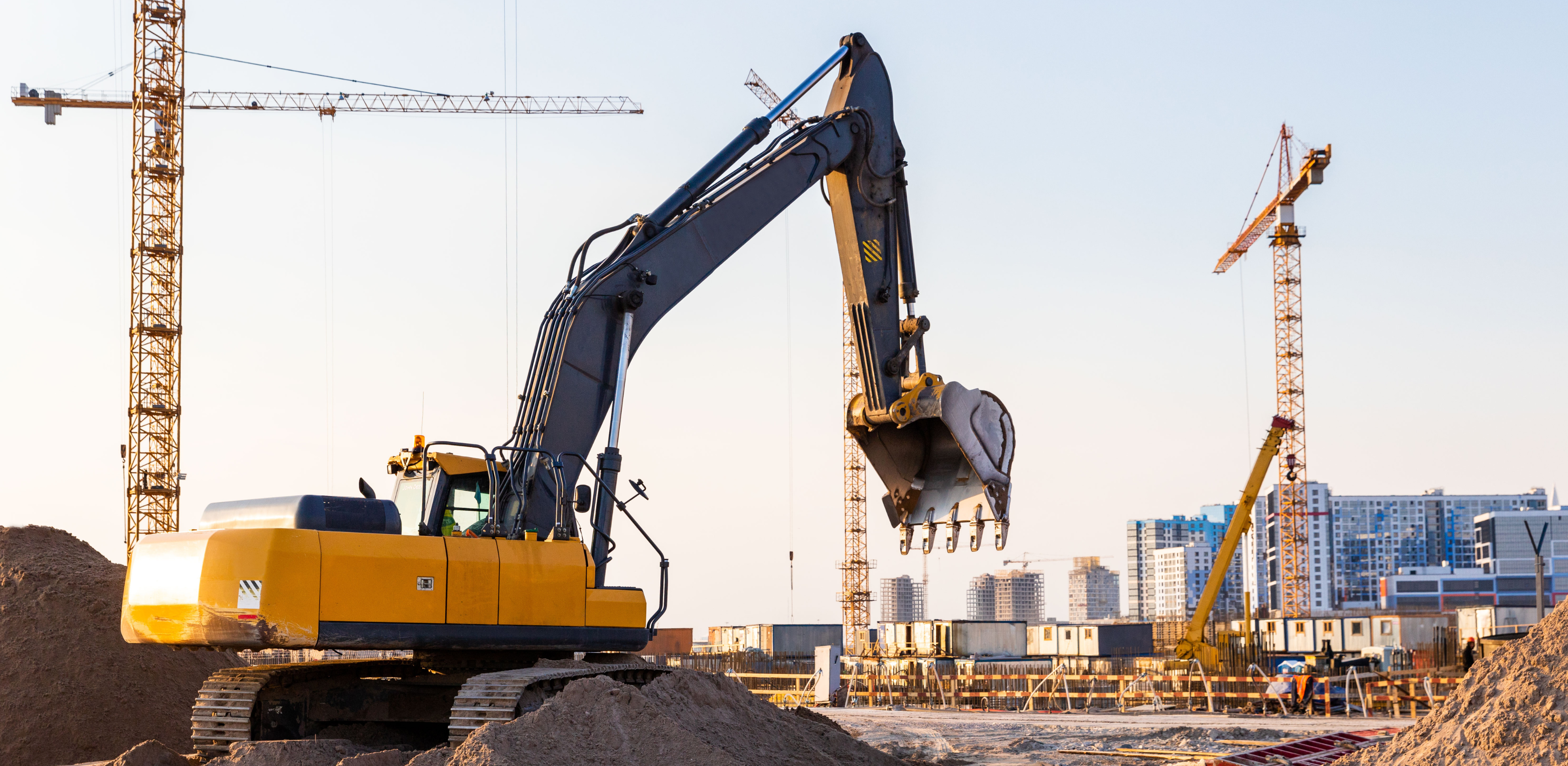
For civil contractors, earthmovers and construction businesses across Brisbane and Queensland, that means sustained demand for excavators, graders, dump trucks, cranes and support fleets.
And the businesses best positioned to capture that opportunity will be the ones preparing their equipment finance strategy now, rather than waiting until the tender is won.
The Problem: Your Future Project Isn't on Your P&L Yet
Experienced operators understand the challenge.
When a major project is awarded, equipment often needs to be purchased and mobilised quickly. But if you approach a bank at that point looking for $1 million or more in equipment finance, the lender will generally assess your historical financial position — including last year’s revenue and profit.
The project creating the need for the finance hasn’t started yet. Its future revenue isn’t necessarily reflected in your current financials, and your existing revenue may not support the level of lending required.
This is why forward planning matters.
Getting your equipment finance limits reviewed and potentially increased before projects are awarded can put your business in a much stronger position when an opportunity lands.
Instead of scrambling for finance after winning the work, you’ll already have a funding strategy in place.
But how do you prepare your borrowing capacity for growth that hasn’t happened yet?
The Answer: Strategic Lender Placement
At Equipment Finance Specialists, we don’t take a one-size-fits-all approach to business finance.
With a panel of more than 50 lenders, the value of an equipment finance broker isn’t simply finding the lowest rate. It’s about understanding your business, your growth plans and your likely equipment requirements, then strategically placing finance with lenders that can support those plans.
For example, a $70,000 vehicle or equipment purchase today could potentially be placed with a lender offering a low-documentation pathway that may help establish borrowing capacity for larger facilities in the future.
Rather than placing every asset with one lender, spreading smaller purchases across multiple lenders can help establish commercial asset finance credit files with several institutions.
In some situations, accepting a slightly higher rate on a smaller facility today may make strategic sense if it helps create additional lending relationships and borrowing capacity for future expansion.
Every well-managed facility contributes to your commercial finance history. Every established lender relationship can potentially provide another funding pathway when you need to move quickly.
Case Study: From 3 Utes to $1.7 Million in Lending Limits in 12 Months
A medium-sized Brisbane construction company approached us with ambitious expansion plans, but its existing credit profile didn’t provide the equipment finance capacity required to support that growth.
The company needed three Isuzu utes.
Rather than placing the entire purchase with one lender, our team strategically split the finance across three lenders. This established a commercial asset finance credit file with three separate institutions and created a foundation for future lending.
Within 12 months, the company had access to $1.7 million in lending limits.
When a major project was secured and additional equipment was required, the business was able to move quickly without waiting for a new finance strategy to be built from scratch.
As revenue increased through the new contract, the company’s improved profitability created an opportunity to refinance with a major bank at a lower interest rate and establish a master asset finance limit to support continued growth.
The key wasn’t simply the finance for three utes. It was having a longer-term lending strategy that considered where the business wanted to be in the future.
Why Timing Matters More Than Ever
The scale of Queensland’s infrastructure investment is only part of the equation.
The QMCA report also highlights the growing demand for skilled workers, with the engineering construction workforce expected to increase from around 26,000 workers to almost 41,000 by FY30.
More projects mean more demand for skilled operators — and more demand for the machinery those operators need.
Equipment lead times can increase. Finance approvals can take time. Contractors who can mobilise quickly can have an advantage when projects move from tender to construction.
Having pre-established lending limits, a strong commercial finance history and a finance partner who understands your business can make that transition significantly easier.
The businesses that prepare their finance capacity before the infrastructure boom reaches its peak will be better positioned to respond when opportunities arise.
How to Get Your Business Boom-Ready: 4 Steps
1. Review your current equipment finance limits
Compare your existing borrowing capacity with the projects you expect to tender for over the next 24 months.
2. Map your equipment requirements
Identify the excavators, trucks, graders, attachments and other machinery each type of project may require.
3. Consider strategic lender placement
Discuss whether upcoming equipment purchases could be structured across different lenders to build additional commercial credit profiles and future lending pathways.
4. Establish a limit-growth timeline
Aim to have your finance capacity reviewed and prepared before tenders are awarded, rather than starting the process once you’ve already won the work.
Get Your Equipment Finance Limits Reviewed Before You Need Them
Queensland’s infrastructure investment is already under way, with major projects creating opportunities for contractors, civil businesses and construction operators across the state.
Whether you need earthmoving equipment finance, construction equipment finance or crane finance, having the right funding strategy in place before you need it can put your business in a stronger position to respond to new work.
Equipment Finance Specialists is a Brisbane-based equipment finance broker working with a panel of more than 50 lenders.
Call Equipment Finance Specialists on 1300 378 387 or complete our online application form.
FAQ's
Low doc, or low documentation, equipment finance can allow eligible businesses to apply for finance with reduced financial documentation, subject to the lender’s requirements and lending criteria.
Factors such as your credit history, asset type, ABN history and overall business profile can influence eligibility and available limits.
Establishing a strong lending history with appropriate lenders can potentially create additional finance options as your business grows.
It can be, depending on your circumstances and long-term objectives.
A slightly higher rate on a smaller facility may help establish a lending relationship with another institution and potentially increase your overall borrowing options in the future.
The right approach will depend on your business, cash flow, existing facilities and growth plans.
With $55.9 billion allocated to roads and transport infrastructure alone, demand is expected to remain strong for a broad range of construction and earthmoving equipment.
This includes excavators, graders, dozers, dump trucks, cranes, compactors, pavers and support vehicles.
Equipment Finance Specialists is a division of the eCarz Group. Australian Credit Licence 518268. This article contains general information only and does not constitute financial advice; consider your circumstances or speak with our team before making finance decisions